Table Of Content
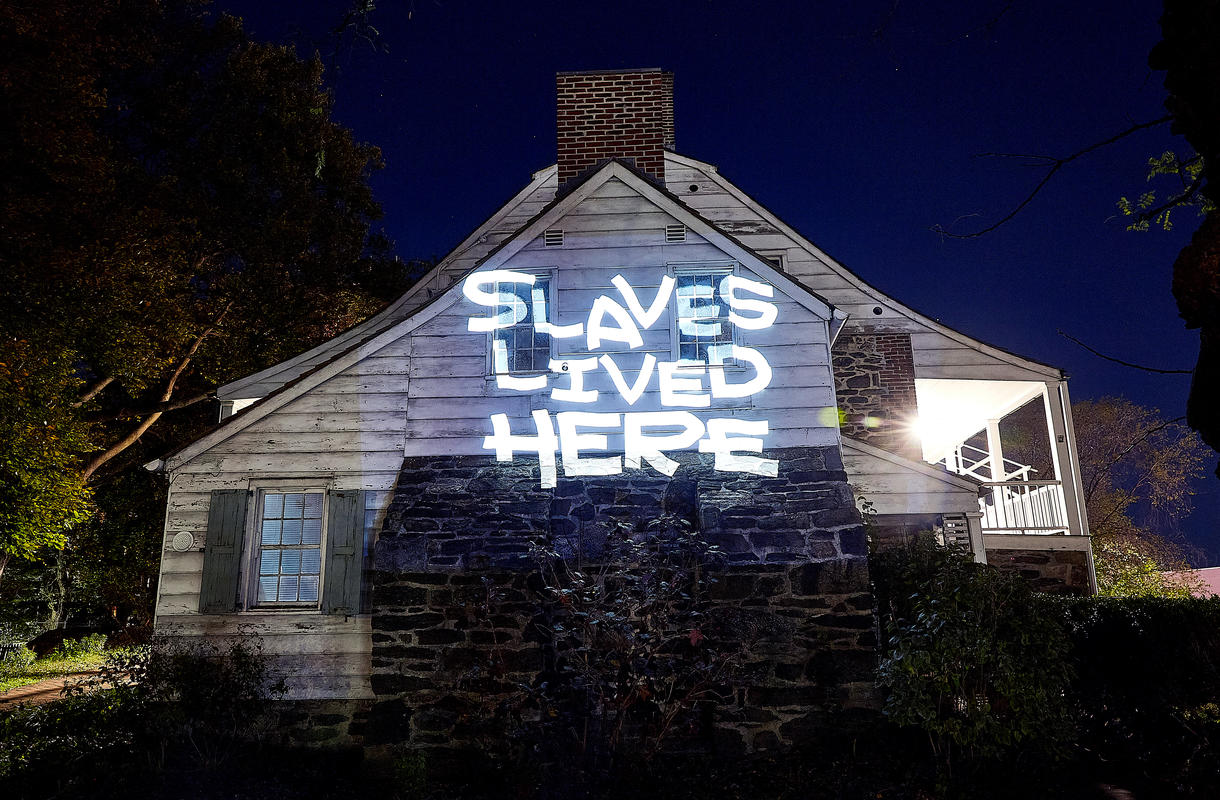
Beginning in 1974, the city sponsored a series of restorations, but the structure was damaged in the 1994 Northridge earthquake. The Dutch West India Trade Company had few regulations relating to slavery. Laws and regulations surrounding slavery became strict during British rule in the North.
At the northern tip of Manhattan, the ballpark was a magnet for families, entrepreneurs, and celebrities.
With new information, DFM designed new educational materials for the museum, created public programs and engaged local artists to produce site specific installations that communicate the story of these underrepresented people. This project reinforces the importance of inclusive historical narratives in America’s historical institutions, of all sizes. The Dyckman Farmhouse Museum is located in the Northern Manhattan neighborhood of Inwood and is easily accessible via public transportation.There is NO PARKING at the farmhouse.
Designing Immersive Gatherings With Zach Morris of Third Rail Projects
Proceeds support further research and educational programming on the topic of the enslaved and free people highlighted on the products. The Dyckman descendants worked with their respective husbands, curator Bashford Dean and architect Alexander McMillian Welch, to accomplish the ambitious project which sought to restore the home to its earliest facade. As the environment around the house began to change, Mary Alice Dyckman Dean and Fannie Fredericka Dyckman Welch, daughters of the last Dyckman family member to grow up in the house, began restorations on the house in 1915. This origin story has been refuted by historians and descendants of the Lenape. Experts posit the sale of the island was one-sided; the Dutch believed they were the owners of Mannahatta while the Indigenous Lenape believed it had been an agreement to simply share the land, not sell it.
Nearby Harlem & Upper Manhattan attractions
“Highlighting these burial sites increases awareness and understanding of the enslaved history of Africans through institutionalized racism all the way to current times,” said Prevost. It features the artworks of three local artists, all women, who respond to the legacy of the farm and its past with slavery. It’s a way to tell untold stories, says Meredith Horsford, the museum’s executive director. As we continue our research, we are making discoveries about the lives of the enslaved and free peoples who lived in the Dyckman Farmhouse as well as on neighboring farms. While much research is still being undertaken, we would like to share what we know about the lives we are learning about. The farmhouse, museum, and gardens are open on Friday and Saturday from December through March, and Thursday to Saturday the rest of the year.
Join the Lonely Planet community of travelers
Dyckman Oval was just 50 blocks north of the Polo Grounds, where, 100 years ago, the World Series was held entirely in New York City for the first time. But while the Giants and Yankees faced off, Black teams were at Dyckman and all over the city. In prior years, the list would have included places such as Harlem Oval, Olympia, and Olympic Fields in Harlem, and Wallace’s Ridgewood Grounds in Queens.
Dyckman Farmhouse Museum
At Boscobel House, Conversations Between Antique and Modern Furnishings (Published 2016) - The New York Times
At Boscobel House, Conversations Between Antique and Modern Furnishings (Published .
Posted: Sun, 17 Jul 2016 07:00:00 GMT [source]
Just as slavery in the North differed from slavery in the South, rural slavery , including the Dyckman Farmhouse at the time, was very different from slavery in urban areas. In rural New York, the enslaved performed agricultural labor and other highly-skilled work. William died in 1787, at which time the family put the property up for sale. But his son, Jacobus, decided to keep the farm, and moved in to the house around 1793. But between 1809 and 1822, the Dyckmans were struck by one family tragedy after another, and Jacobus lost not only his wife but also four sons, a daughter, and a grandson. Over a century later, visitors can still visit the Dyckman house amid the ever-evolving urban landscape of Manhattan.
Screen-printed foliage on paper continues behind the desk and before a grandfather clock. There was also a burial ground for slaves nearby, known as the Inwood Slave Burial Ground, which contained over 30 slave families (today, it’s a parking lot for a school on 212th Street). The Dyckman Farmhouse Museum in the Inwood neighborhood of Upper Manhattan was designated a New York City landmark in 1967.
LOCATED AT:
In the heat of summer the cooking would have moved to the Summer Kitchen, a small one and a half story building adjacent to the farmhouse. The Summer Kitchen also had a small bedroom space above it and it is believed that the free blacks and enslaved workers would have used this space. On the Dyckman Farmhouse, there were roughly seven enslaved people living at the house, shortly after it was built. Records show that Francis Cudjoe was an enslaved man who would later be freed in 1809, and others known only by their first names; Will, Gilbert, Harey and Blossum. A free black woman named Hannah, who was a freed descendant of slaves, worked as a cook for the household.

Community
One now serves as a front desk for the Dyckman Farmhouse Museum while the other holds the personal documents of the Dyckman family. After the Revolutionary War, the original Dyckman Farmhouse and everything else on the property was destroyed. The Lenape people refused to leave for decades after the "sale" took place. But they were eventually forced off of their lands, which later became New York state. And remarkably, this relic of New York's past is still open to visitors today.
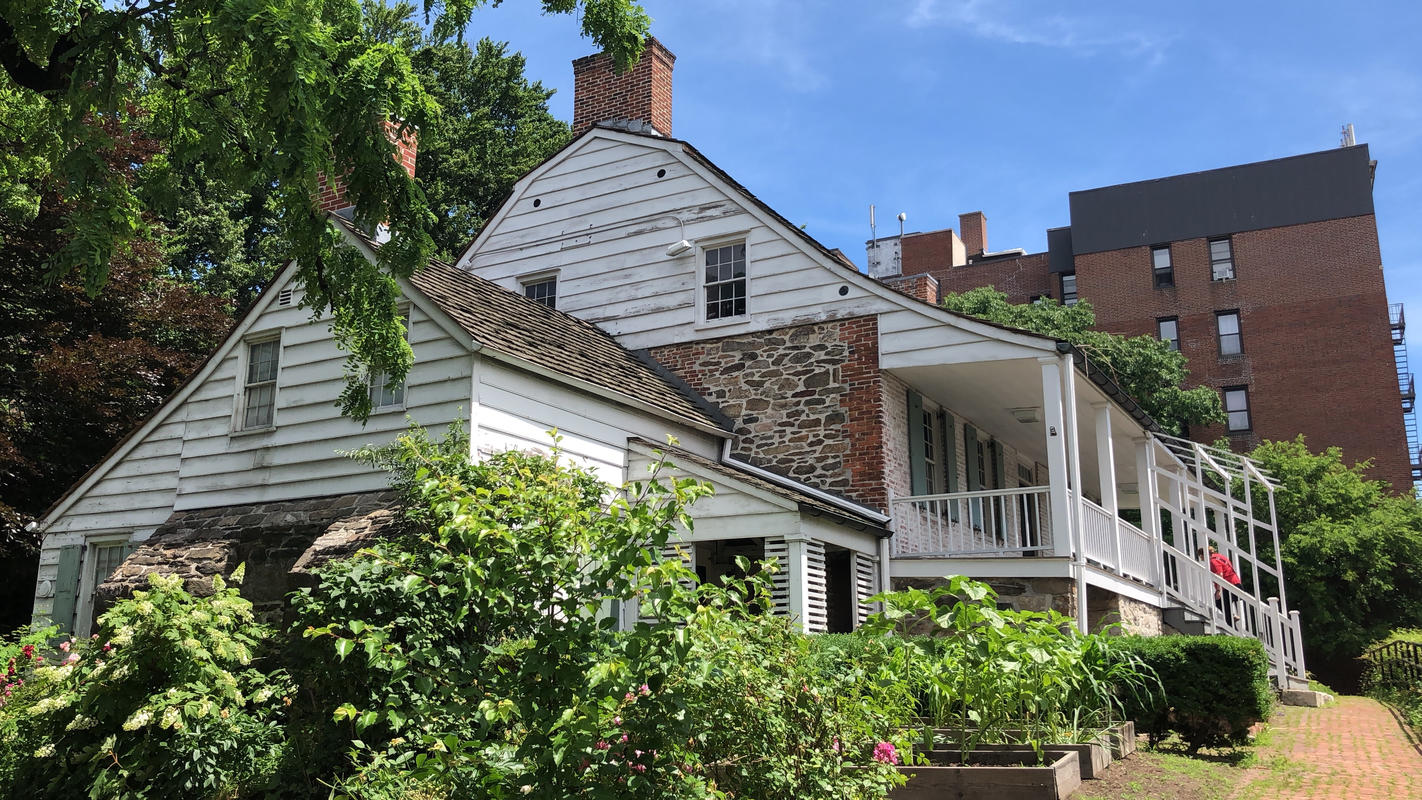
The Dutch Colonial style house constructed of fieldstone, brick, and wood is the oldest remaining farmhouse in Manhattan. Prior, 6 cows for $100 is listed, therefore it is unlikely a man named Blossum was equated to $5. That said, the enslaved were often listed on inventory sheets alongside livestock.
Built in 1784, the house stayed in the Dyckman family for 84 years until it was sold in 1868. Dyckman descendants bought it back in 1915, restored it, and gave it to the City a year later. It has operated as a museum since 1916 and part of the Historic House Trust. We have discovered copies of two news articles pertaining to Gilbert Horton, an enslaved of Staats Dyckman. Soon after, this was countered by a Sep 1826 article stating he was a free man who had served Staats Dyckman and was manumitted after his father Peter Horton served Staats for one year for Gilbert’s freedom.
Bespoke cocktails are dramatically presented in a haze of dry-ice, the list of world-class wine is extensive, and of course, Mastro’s has a premium selection of beer available. Our goal is to provide safe and supportive housing for women and children experiencing homelessness and trauma. Alexandria House offers a continuum of support as people move from crisis situations to financial and emotional stability, and ultimately to permanent housing. We also serve our broader community by providing wellness, educational and enrichment opportunities and resources to meet the basic needs for our neighbors.
These small private bedrooms would most likely have been used by Jacobus, as head of household, and Maria, as a young female family member. Hollyhock House features an entertainment room immediately to the right of the entrance. This room contains possibly the first built-in entertainment center, complete with LP-sized cabinets along the floor. Other notable rooms include a child's play area as well as a modernist kitchen, which long housed the museum gift shop.
It has gained a reputation as a quirky landmark with its tranquil facade like a window to the agricultural past of its busy city setting. After the Revolutionary War, his descendant William Dyckman built the current house, which has withstood the urbanization that transformed Manhattan from lush farmland into one of America's biggest cities. It was renovated by Dyckman's descendants to be preserved as a historic site in 1915 and ultimately became a National Historic Landmark in 1967. Take a stroll down Broadway through upper Manhattan and you'll find yourself at the steps of an old farmhouse.



No comments:
Post a Comment